ASML Continue Investment in R&D
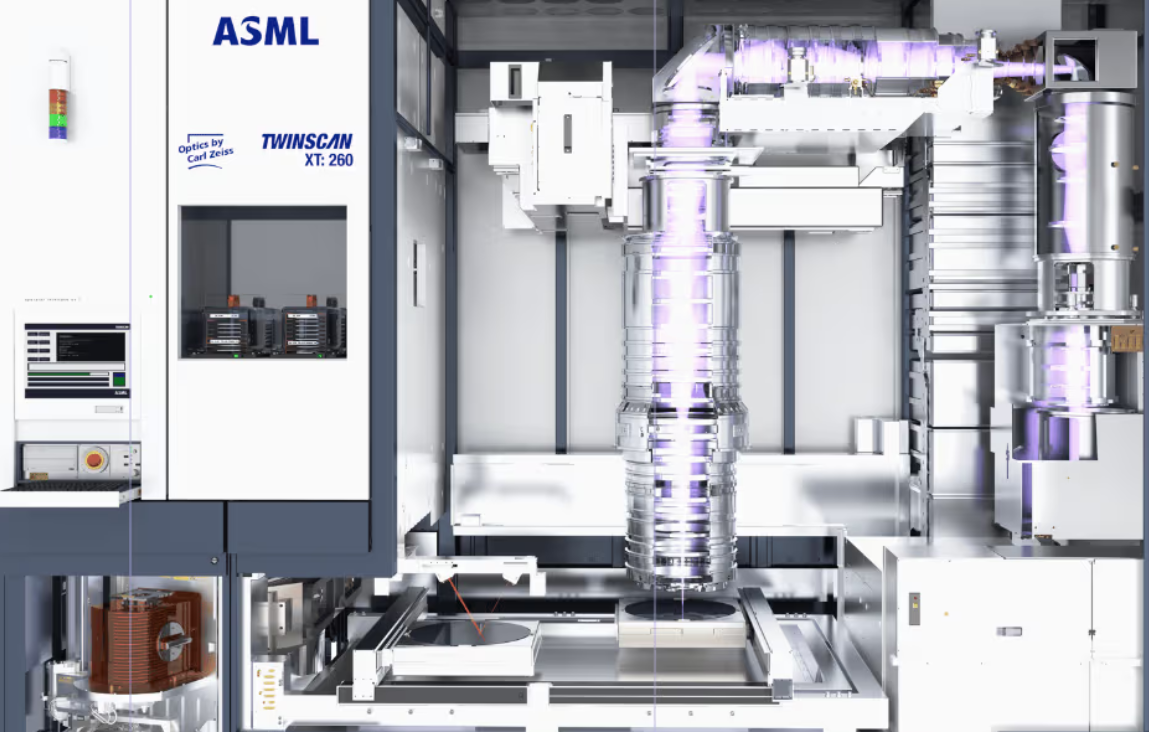
ASML once again the largest Semiconductor R&D investor in the Netherlands
The newly released R&D Top 50, compiled by Technisch Weekblad, VNO-NCW, and TNO, once again underscores ASML’s overwhelming leadership in Dutch research and development. In 2024, ASML invested more than €3 billion, making it by far the country’s largest private R&D investor. Remarkably, the company’s expenditure exceeds that of positions two through ten combined and also records the strongest year-on-year growth.
As a result, the overall rise in private-sector R&D spending is driven almost entirely by ASML, with Booking.com contributing to a smaller degree. When ASML’s figures are excluded—and inflation is taken into account—private investment in research and innovation shows little to no real growth.
The remainder of the Top 5 includes Philips, Booking.com, TomTom, and Shell, reflecting a broad mix of sectors across the Dutch economy. Booking.com stands out as the fastest-growing major investor in percentage terms within the list.
Strengthening the investment climate
Tjark Tjin-A-Tsoi, CEO of TNO, warns that the findings highlight a structural challenge: “The Netherlands is steadily losing ground because innovation investment levels are too low. Our R&D spending is also overly concentrated in just a few companies, with ASML far ahead of the rest. We urgently need to create the right conditions to support business growth and reinforce our competitiveness.”
This view is echoed by Focco Vijselaar, Managing Director of VNO-NCW: “We can be proud of these companies investing heavily in our economic future. But we also see stagnation across the board, largely due to a weakening investment climate. R&D and innovation are the engine of economic growth, and a new government must prioritise policies that encourage stronger investment.”
Emerging deep-tech scale-ups
A notable trend in this year’s list is the rise of deep-tech scale-ups within the manufacturing sector, including several linked to Tech Champions. TNO spin-offs such as Nearfield Instruments and LeydenJar, alongside companies like SMART Photonics, demonstrate that the Netherlands is producing a new generation of R&D-intensive firms. Although small in absolute size, these companies invest nearly all their R&D budgets domestically, directly contributing to the renewal and expansion of the private knowledge base.
Key trends
Dutch R&D spending continues to be highly concentrated. The top three companies now account for 23.5% of all private R&D expenditure—up from 18.5% in 2016. The top ten maintain a steady one-third share of total investment. Regionally, activity remains centered in the southern Netherlands, particularly the Eindhoven area and the machinery industry.
Positioning for European ambitions
Despite these challenges, the R&D Top 50 also reveals a strong Dutch presence in sectors that Europe classifies as high-tech. This gives the Netherlands a solid foundation to align with the EU’s ambition to reinforce its high-tech industrial base and to make better use of European funding streams. The recently announced AI factory in Groningen—developed with European co-financing—illustrates how the Netherlands can leverage these opportunities to strengthen future earning capacity and international competitiveness.
Project News