Galway Site Designed to Welcome SemiCon Fabs
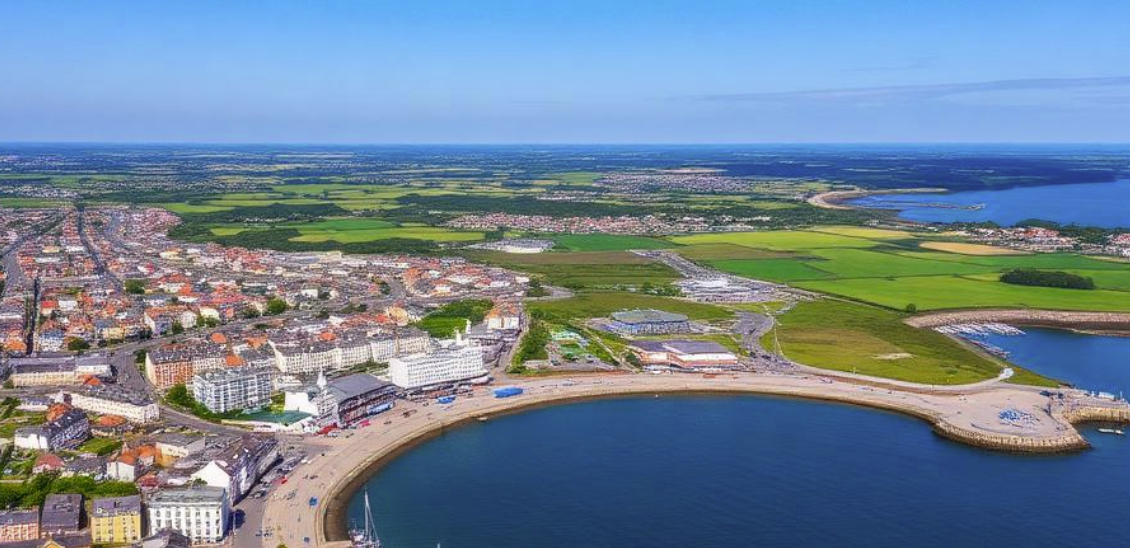
This initiative forms part of the government’s “Silicon Island” strategy
The Irish government is reportedly moving forward with plans to transfer land in Oranmore, currently owned by the Defence Forces, to the IDA to support the development of a state-of-the-art semiconductor manufacturing facility.
This initiative forms part of the government’s “Silicon Island” strategy, led by Enterprise Minister Peter Burke. The plan includes a €100 million investment to secure and prepare fully serviced industrial sites designed to attract leading global chipmakers such as TSMC, Samsung, and Nvidia. These sites will be equipped with advanced infrastructure, including high-capacity power, water supply, fibre connectivity, and access to renewable energy.
The first proposed site is a former Defence Forces firing range located in Oranmore, Galway. The land was previously considered for an Intel fabrication plant in 2021, before that project was ultimately located in Germany. While ownership still formally rests with the Defence Forces, negotiations to transfer the site to the IDA are understood to be nearing completion.
Alongside this, the IDA has been actively expanding its land holdings in the surrounding area. Since the mid-2000s, it has owned a 67-acre site along the R381 outside Oranmore, where some enabling infrastructure—such as roads, lighting, parking, and two artificial lakes—has already been developed.
Further acquisitions since early 2023 have added more than 104 acres through a series of agreements with local landowners. These include two significant parcels of 55.2 acres and 40.4 acres, as well as several smaller plots ranging from under one acre to nearly four acres.
These developments align with the government’s broader strategy to establish next-generation industrial hubs across Ireland. Burke has emphasized that such ready-to-go sites are essential to maintaining the country’s competitive edge in attracting high-value investment, particularly in sectors like semiconductors and life sciences.
Looking ahead, plans are in place to develop three major industrial sites over the next 15 years—strategically located in the west, east, and south of the country. Each site is expected to span between 500 and 1,000 acres and will follow a plan-led approach, meaning they will be pre-approved and fully serviced to reduce planning risks and speed up delivery timelines for investors.
By preparing these sites in advance, the government aims to provide greater certainty for multinational companies and strengthen Ireland’s position in an increasingly competitive global market. While semiconductor manufacturing is a key focus, the sites are also expected to support growth in industries such as life sciences and green energy.

Project News