Ireland manufacturing surge amid tariff uncertainty
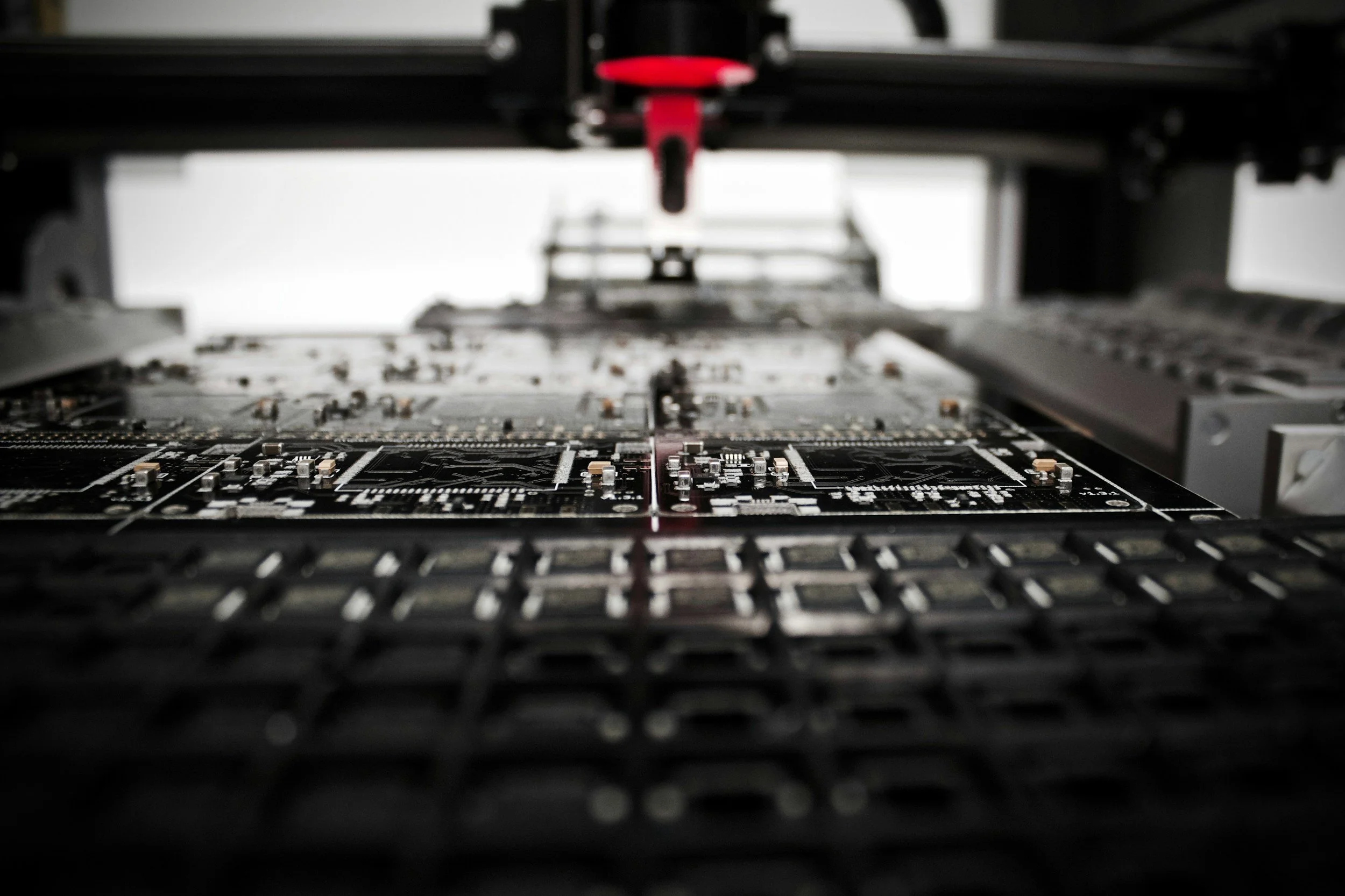
Irish Manufacturers are laser-focused on costs and margins
Ireland’s manufacturing sector is demonstrating resilience amid global tariff pressures, according to Conor Magee, Bank of Ireland’s Head of Manufacturing. In the bank’s Developments & Insights report for December 2025, Magee highlights renewed momentum in the sector, driven by a sharp increase in exports to the United States as companies adapt to the evolving trade landscape.
Irish manufacturing recorded an average Purchasing Managers’ Index (PMI) of 52.1 in 2025, indicating expansion, while the EU average remained close to neutral at 49. Export performance has been a major contributor to this growth. Between January and September, shipments to the US rose 90% year-on-year, led by a 153% surge in pharmaceutical exports. A further spike in September suggests firms are accelerating shipments to hedge against continued tariff uncertainty.
Magee noted that manufacturers are responding pragmatically to the new reality. “As the tariff story unfolds, businesses remain laser-focused on costs and margins, while reassessing how best to serve US customers within a changed tariff environment,” he said.
The EU–US trade agreement introduced in August applied a 15% tariff on most goods, with potential exemptions under review for pharmaceuticals, semiconductors, and aerospace, while steel and aluminium face a 50% levy. Ireland currently has the EU’s lowest trade-weighted average tariff at 5.6%, equating to an estimated €5.7 billion burden.
Magee also pointed to possible changes ahead, including legal challenges in the US that could significantly reduce tariff rates, alongside new investigations that may extend duties to additional sectors. Against this backdrop, scenario planning and cost discipline remain critical, with Enterprise Ireland supports available to assist SMEs.
Beyond trade, climate commitments present a parallel challenge. While Ireland is projected to miss its 2030 emissions targets, corporate commitment to decarbonisation remains strong. Magee observed a shift from “greenwashing” to “greenhushing,” as companies quietly invest in sustainability to create long-term value.
As manufacturers navigate tariffs, climate pressures, AI opportunities, and shifting consumer sentiment, Bank of Ireland’s sector team continues to assess developments across seven key areas of the Irish economy, including Manufacturing, Technology, Healthcare, and Food & Drink.
Project News