Ireland’s semiconductor stronger then ever…..
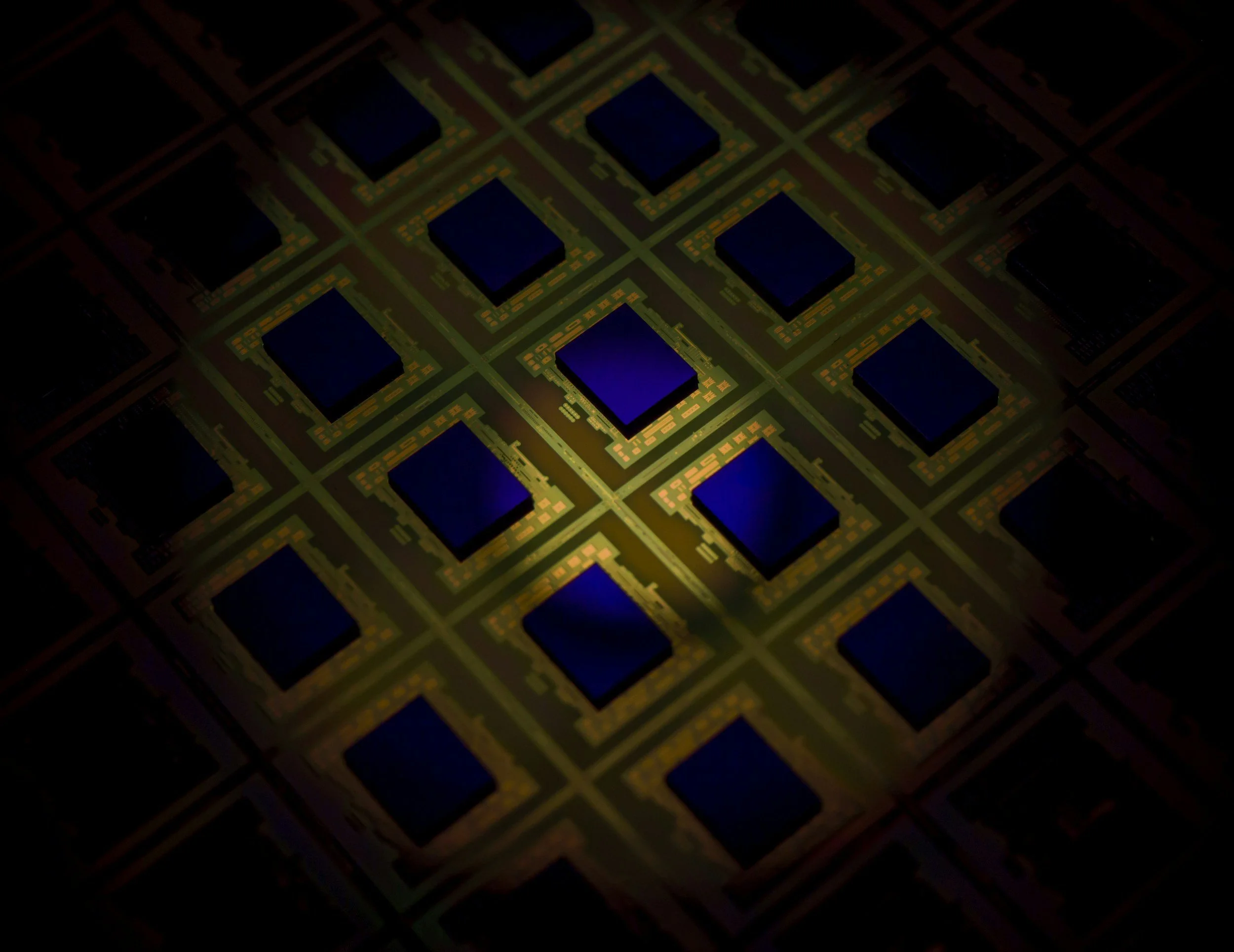
Infineon Headquarters
Globally, the semiconductor industry has expanded at remarkable speed. According to research highlighted in a Visual Capitalist report, the sector’s market capitalisation exceeded $12 trillion in 2025.
This growth is hardly surprising, given how deeply semiconductor chips are embedded in everyday life. They power everything from smartphones and laptops to electric vehicles, smart homes and the cloud infrastructure behind modern digital services.
“Semiconductors are everywhere right now, in AI, cloud and EVs, so demand is strong,” said Graeme King, principal consultant at Irish recruitment agency IT Search, part of the Vertical Markets Group.
He explained that Ireland has established itself as a significant player in the industry, with more than 130 semiconductor-related companies and roughly 20,000 jobs spanning design, research and development, manufacturing and testing. Dublin and Cork remain the main centres of activity, hosting major global firms alongside a growing number of domestic specialists. Ireland is also seeing increased start-up activity in emerging areas such as advanced packaging, photonics and quantum hardware.
This momentum is further supported by Ireland’s 2025 Silicon Island Strategy, which aims to strengthen the national semiconductor ecosystem through skills development, enhanced R&D investment and the attraction of foreign direct investment.
“At its core, it’s about positioning Ireland as a serious design and innovation hub, not just a test and manufacturing location,” King noted.
Rising demand and a talent squeeze
As Ireland’s semiconductor sector continues to grow, King said the boom is creating strong opportunities for professionals, particularly those with niche and highly specialised expertise.
“The demand is concentrated at the top end,” he explained. “Very experienced RTL design and verification engineers are the most sought after.”
However, that experience is difficult to find within Ireland. With relatively low movement between companies, senior engineers tend to remain in place, leaving employers with a limited talent pool when trying to scale operations or replace key staff. Even when positions open, the number of candidates who can immediately step into these roles is small, often making recruitment a lengthy process.
Embedded software engineering roles, while also in high demand, offer slightly more flexibility. King pointed out that engineers from adjacent sectors such as automotive, industrial systems or consumer electronics can more easily transition into semiconductor-focused positions with the right training.
“That’s much harder with core RTL or verification roles, where the experience has to already be there,” he said. “Overall, demand is strong, but selective. It’s less about mass hiring and more about finding individuals with very specific backgrounds.”
Global competition for skills
While this environment benefits highly skilled professionals, it presents real challenges for employers. King highlighted that Ireland faces increasing competition from major international semiconductor hubs.
“Candidates often have options in the US, Germany, Switzerland and other European tech centres, where salaries are higher and relocation packages more attractive,” he explained. “That makes it difficult for Irish companies to compete purely on pay.”
As a result, recruitment processes can become drawn out and highly technical, sometimes causing candidates to lose interest before an offer is made. In other cases, employers may encounter skills mismatches, where applicants have transferable abilities but lack the exact niche expertise required.
A more creative approach to hiring
Despite these pressures, King believes companies are adapting and becoming more innovative in how they attract and develop talent.
“The big trend, both in Ireland and globally, is targeted hiring rather than broad volume recruitment,” he said. “Companies are focusing on specific, high-priority skills, so searches tend to be specialised and deliberate.”
Organisations are also widening their approach by recruiting from adjacent industries, partnering with universities and training programmes, and investing in upskilling initiatives.
“They are more open to candidates who can be shaped into the role rather than just ticking every box,” King added. “That helps expand the pool in a competitive market.”
Hiring activity, however, remains uneven, with some firms moving quickly while others prioritise retention and selective growth.
Career pathways in Ireland’s semiconductor sector
For professionals looking to build or advance a career in semiconductors, King noted there is a surprisingly wide range of opportunities beyond traditional engineering roles.
“Some engineers move into applications or field engineering, helping customers implement chips and systems,” he said. “Others transition into project or engineering management, leading teams or major programmes.”
There are also pathways into technical sales, pre-sales and solution consulting, where strong engineering expertise can provide a major advantage.
In Ireland in particular, the presence of smaller teams and start-ups can allow individuals with strong soft skills to combine technical responsibilities with leadership, offering broader exposure and faster progression into senior roles across multiple areas of an organisation.
Overall, Ireland’s semiconductor industry is growing rapidly, supported by national strategy, global demand and an expanding ecosystem. Yet with that growth comes a pressing need to address talent shortages, enhance skills development and remain competitive in an increasingly global race for expertise.

Project News