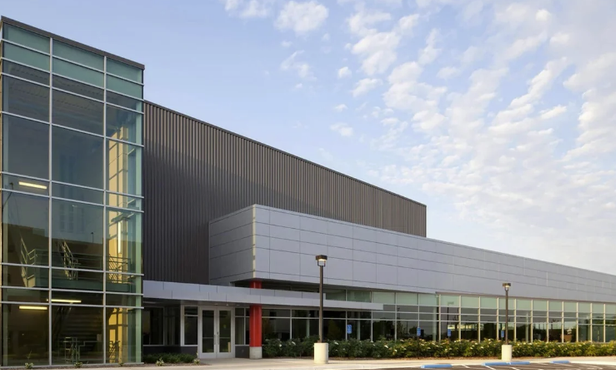
Mortenson Completes Semiconductor Facility Upgrades Through Live-Production Construction Planning
Upgrading infrastructure in an active semiconductor fabrication facility presents challenges that extend well beyond those of a typical industrial construction project. Production equipment, cleanrooms, and critical utility systems must remain operational throughout construction, requiring careful coordination between contractors and facility operators.
During modernization work at Polar Semiconductor, Mortenson managed upgrades across nearly every area of the campus while maintaining ongoing manufacturing operations. Rather than treating the effort as a standalone expansion, the project team implemented a campus-wide strategy that integrated construction activities with facility operations, maintenance schedules, and production requirements.
Utility outages represented one of the project's most significant planning challenges. While some shutdowns lasted only a few hours, semiconductor manufacturing equipment often required considerably more time to safely power down and return to full production capacity.
To minimize operational disruption, Mortenson collaborated closely with Polar Semiconductor's facilities, operations, and production teams to identify affected systems, develop outage procedures, and coordinate shutdown schedules.
Key planning measures included:
Identifying utility systems affected by each outage.
Developing detailed shutdown and restart procedures.
Maintaining shared outage calendars across project stakeholders.
Preparing contingency plans for aging infrastructure systems.
Aligning shutdown windows with maintenance activities and production schedules.
One of the project's most notable achievements involved the transfer of the P1 substation. Through extensive planning and coordination, the team reduced the expected outage duration from approximately 30 hours to just 12 hours.
Construction Sequencing Integrated with Equipment Installation
A critical aspect of the modernization program was the need to conduct facility renovations and semiconductor equipment installation simultaneously.
While construction teams upgraded utilities and renovated production areas, Polar Semiconductor was actively relocating and installing manufacturing tools. These ongoing equipment moves created shifting electrical loads and changing utility demands, requiring continuous adjustments to infrastructure planning and construction sequencing.
Mortenson worked closely with facility personnel to coordinate installation schedules, preserve equipment transportation routes, and prepare designated areas for incoming tools. In some cases, construction completion timelines were adjusted to accommodate equipment relocation and installation activities.
This integrated approach enabled construction and operational upgrades to progress concurrently rather than as separate project phases, helping accelerate the facility's modernization efforts while maintaining manufacturing continuity.
The project team also managed temporary infrastructure requirements and adapted plans as operational conditions evolved throughout the construction process.
Supporting Operations in an Active Manufacturing Environment
The project highlights the level of coordination required to modernize infrastructure within a live semiconductor manufacturing facility.
Successful execution depended on aligning construction activities, utility outages, maintenance schedules, and equipment installations while supporting uninterrupted facility operations. Continuous communication among construction teams, facility managers, and production personnel was essential throughout the project.
For semiconductor manufacturers undertaking similar modernization initiatives, important planning considerations include:
Assessing the full production impact of utility interruptions.
Thoroughly documenting existing facility conditions.
Coordinating equipment installation schedules with construction activities.
Establishing temporary utility services when required.
Developing contingency plans for critical systems and aging infrastructure.
Why It Matters
Semiconductor facility upgrades involve complex interdependencies between building systems, manufacturing equipment, and production continuity. Even brief utility interruptions or poorly coordinated equipment moves can create operational disruptions that extend well beyond the construction schedule itself.
Mortenson's work at Polar Semiconductor demonstrates how detailed outage planning, flexible construction sequencing, and close collaboration with facility operations teams can enable major infrastructure improvements while maintaining production in a highly sensitive manufacturing environment.
As semiconductor manufacturers continue to expand and modernize facilities to meet growing technology demand, integrated planning approaches such as these will become increasingly important for minimizing risk and maintaining operational performance.

Project News