Finance Minster launches India's Semiconductor Mission 2.0
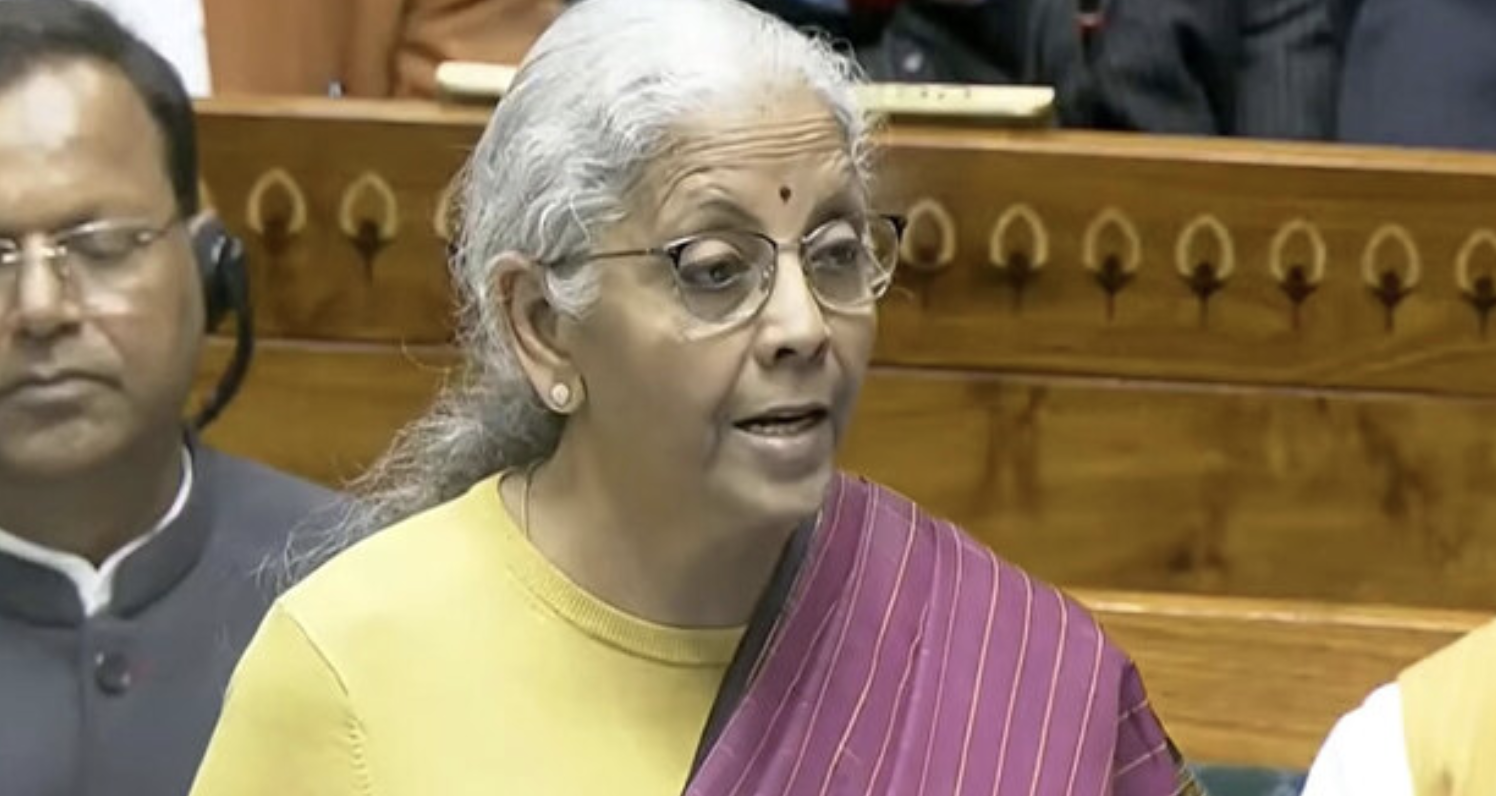
Sitharaman also pointed to the strong performance of the Electronics Components Manufacturing Scheme
India has announced a major expansion of its semiconductor ambitions with the launch of the India Semiconductor Mission (ISM) 2.0, backed by an outlay of ₹40,000 crore, as part of the Union Budget 2026. Finance Minister Nirmala Sitharaman unveiled the initiative on Sunday, outlining plans to further strengthen the country’s semiconductor ecosystem.
ISM 2.0 will focus on domestic production of semiconductor equipment and materials, the development of full-stack Indian intellectual property, and the reinforcement of resilient supply chains. Presenting the budget, Sitharaman said the new phase will place strong emphasis on industry-led research and training centres to drive technology development and build a skilled workforce.
The Finance Minister also pointed to the strong performance of the Electronics Components Manufacturing Scheme, launched in April 2025 with an initial outlay of ₹22,919 crore. According to Sitharaman, the scheme has already attracted investment commitments that exceed its original targets. To capitalise on this momentum, the government plans to increase the scheme’s funding to ₹40,000 crore.
Building on the achievements of ISM 1.0, which significantly expanded India’s semiconductor capabilities, ISM 2.0 aims to deepen localisation across the value chain while supporting innovation and talent development.
In parallel, the Ministry of Electronics and Information Technology (MeitY) is preparing to significantly scale artificial intelligence education nationwide. A new initiative will extend AI training to 500 universities, creating a robust talent pipeline through specialised curricula and hands-on learning. The approach mirrors the semiconductor education model already in place, where students at 315 universities are actively designing chips.
Union Minister Ashwini Vaishnaw said industry is finalising course content to ensure graduates gain market-relevant skills. The expanded education push will form a core pillar of AI Mission 2.0, which the government expects to launch within the next five to six months as the current phase concludes.
The government also plans to announce major research programmes at an upcoming AI summit, strengthening a national AI strategy centred on a shared compute infrastructure to ensure equitable access to technology. Officials say this approach builds on the success of earlier digital initiatives such as UPI, DigiLocker and the national 5G rollout.
The second phase of the AI mission will focus on scaling these efforts further, with stakeholder feedback shaping implementation. The overarching objective is to sustain India’s momentum in technology democratisation while reinforcing its position as a global leader in semiconductors and artificial intelligence.

Project News