SpaceX Unveils $55 Billion Semiconductor ‘Terafab’ in Texas
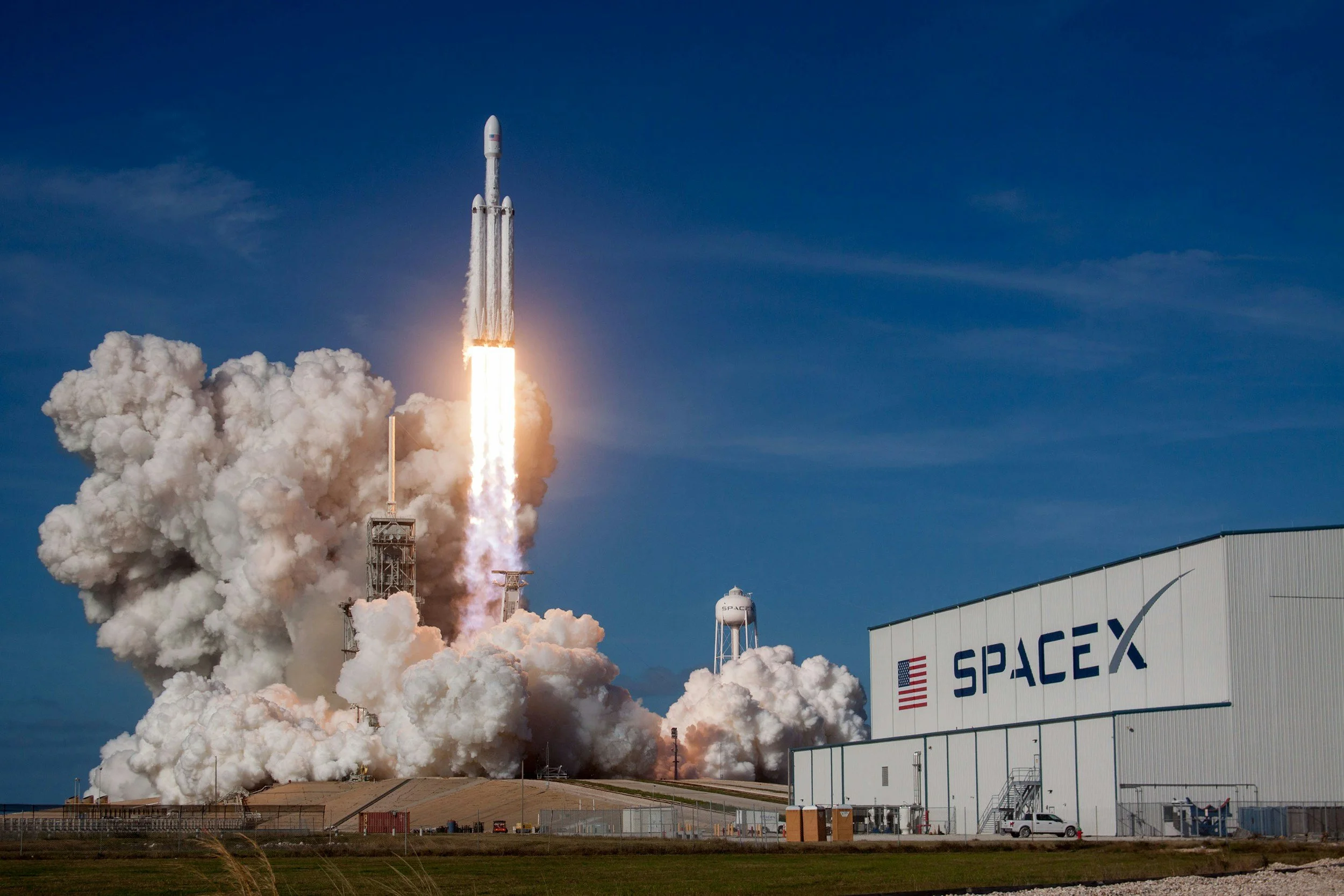
The proposed project represents one of the most ambitious semiconductor manufacturing initiatives ever announced in the United States
SpaceX has proposed an initial $55 billion investment to develop a large-scale semiconductor manufacturing complex in Texas, according to newly released regulatory filings. The planned facility, known as Terafab, is being developed in collaboration with Tesla as part of Elon Musk’s broader push to secure in-house chip production capacity for artificial intelligence and advanced computing applications.
The proposed project represents one of the most ambitious semiconductor manufacturing initiatives ever announced in the United States. While the first phase carries an estimated cost of $55 billion, SpaceX indicated total investment could eventually rise to $119 billion as additional expansion phases are completed.
Located in Grimes County within a newly established reinvestment zone, the development is expected to include advanced semiconductor fabrication, GPU manufacturing, and large-scale computing infrastructure. Local authorities are scheduled to review a potential property tax abatement agreement in June.
The Terafab initiative comes as Musk continues to deepen integration between his technology businesses. Earlier this year, SpaceX acquired AI startup xAI in a deal focused on developing space-based AI data centres, creating a combined entity reportedly valued at approximately $1.25 trillion. SpaceX itself is also preparing for a potential public offering that could value the company at around $1.75 trillion.
The semiconductor facility is intended to support growing demand for chips powering Tesla’s autonomous driving systems, humanoid robots, and AI infrastructure. The move could also reduce dependence on external manufacturing partners such as Samsung Electronics and TSMC.
According to the filing, SpaceX plans to manufacture its own GPUs as part of substantial long-term capital investment plans. However, the company also acknowledged significant risks surrounding semiconductor supply chains and execution timelines, noting it will continue to rely heavily on third-party suppliers in the near term.
Musk recently stated during Tesla’s quarterly earnings call that the Terafab facility is expected to utilise Intel’s 14A manufacturing process, signalling potential collaboration with Intel as the project advances.
The proposal aligns with wider US efforts to expand domestic semiconductor manufacturing capacity amid growing geopolitical tensions and concerns over global supply chain resilience.

Project News