Tesla to build new semicon fab.
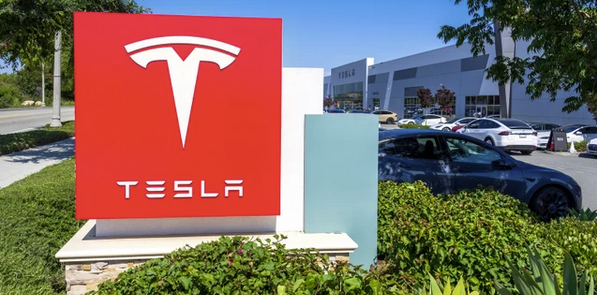
Advanced semiconductor production relies on decades of incremental innovation
Tesla is moving to address growing artificial intelligence-driven supply constraints in the semiconductor industry by planning its own chip manufacturing facility, with CEO Elon Musk indicating construction could begin imminently.
While Musk has built a reputation for pursuing ambitious, high-risk ventures, analysts warn that semiconductor fabrication may represent his most complex challenge to date. According to Morgan Stanley, the cost, scale and technical demands of building a leading-edge fab are immense, particularly for a company with no prior manufacturing experience in this field.
Advanced semiconductor production relies on decades of incremental innovation, and attempting to develop logic, memory and packaging capabilities simultaneously from scratch significantly raises the difficulty. Analysts estimate that even $20 billion may fall short, with total investment potentially reaching $35–45 billion to achieve meaningful production capacity.
For comparison, Micron Technology’s new fab in Boise—announced in 2022—will only begin shipping chips several years later, highlighting the long timelines involved. Industry leaders such as TSMC routinely invest tens of billions annually to maintain their technological edge.
Tesla’s move is largely driven by its expanding AI ambitions, including autonomous driving, robotaxis and the Optimus humanoid robot programme. Musk has also pointed to concerns over supply chain reliability and geopolitical risks as key motivations for greater vertical integration.
However, significant hurdles remain, including securing critical equipment such as extreme ultraviolet lithography systems from ASML, which are both costly and subject to long lead times. Even under optimistic scenarios, analysts suggest initial chip production may not begin until 2028 or later.
Ultimately, Tesla’s push into semiconductor manufacturing reflects both the strategic importance of chips in the AI era and the scale of demand required to support its long-term technology ambitions.

Project News