Tesla’s Terafab chip fab ambitions
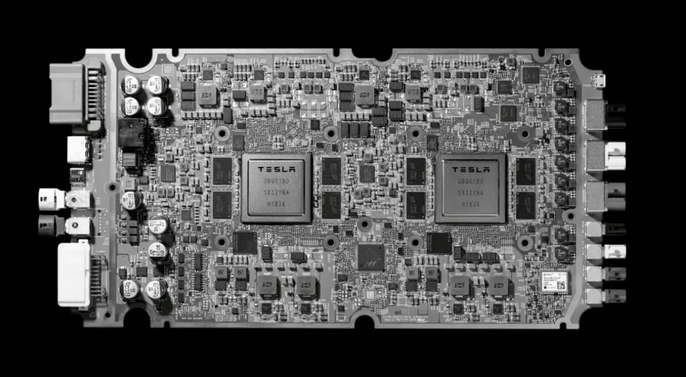
Semiconductor fabrication presents an even greater challenge.
Elon Musk has announced that Tesla will launch its ambitious “Terafab Project” within days—a plan to build what he envisions as the world’s largest semiconductor fabrication facility. However, the announcement has raised significant questions across the industry, largely due to Tesla’s lack of experience in chip manufacturing.
The move draws comparisons to Tesla’s earlier attempt to vertically integrate battery production with its 4680 cells. Announced in 2020 with bold targets around cost reduction and scale, the initiative ultimately fell well short of expectations. Production ramped far more slowly than planned, and key technological breakthroughs proved difficult to achieve. While some progress has been made, the effort highlighted the challenges of scaling complex manufacturing processes—even in areas adjacent to Tesla’s expertise.
Semiconductor fabrication presents an even greater challenge. While Tesla successfully built an in-house chip design team—developing custom AI chips for Autopilot and Dojo—much of that talent has since departed. Key figures such as Jim Keller and Peter Bannon are no longer with the company, and the Dojo programme itself was discontinued in 2025.
Crucially, chip manufacturing requires highly specialised expertise in areas such as lithography, materials science and yield optimisation—capabilities that Tesla is only beginning to recruit for. Musk’s public comments suggesting a radically different approach to cleanroom environments have also drawn scepticism from industry experts, who stress the extreme sensitivity of advanced semiconductor processes.
Leaders such as Jensen Huang of Nvidia have cautioned against underestimating the complexity of the field, noting that even established players like TSMC, Intel and Samsung have required decades and vast investment to reach current capabilities.
Tesla’s ambition to move from no manufacturing experience to operating a leading-edge 2nm fab at scale represents one of the most challenging industrial undertakings in modern technology.

Project News